How to Choose Paint Colours for Melbourne’s Living Rooms
A living room has to work across different light, activities and furnishings, so choosing a wall colour from a small swatch alone can be misleading. In Melbourne homes, daylight may shift noticeably through the day and across seasons. A practical selection process considers the room’s orientation, existing finishes and how the space is used before settling on a paint colour.
Start with the room’s fixed features
Look at flooring, brickwork, stone, cabinetry and large pieces of furniture that are staying in place. These materials often have warm, cool or muted undertones. A wall colour that complements them can make the room feel cohesive; one that clashes may make an otherwise suitable colour seem unexpectedly harsh.
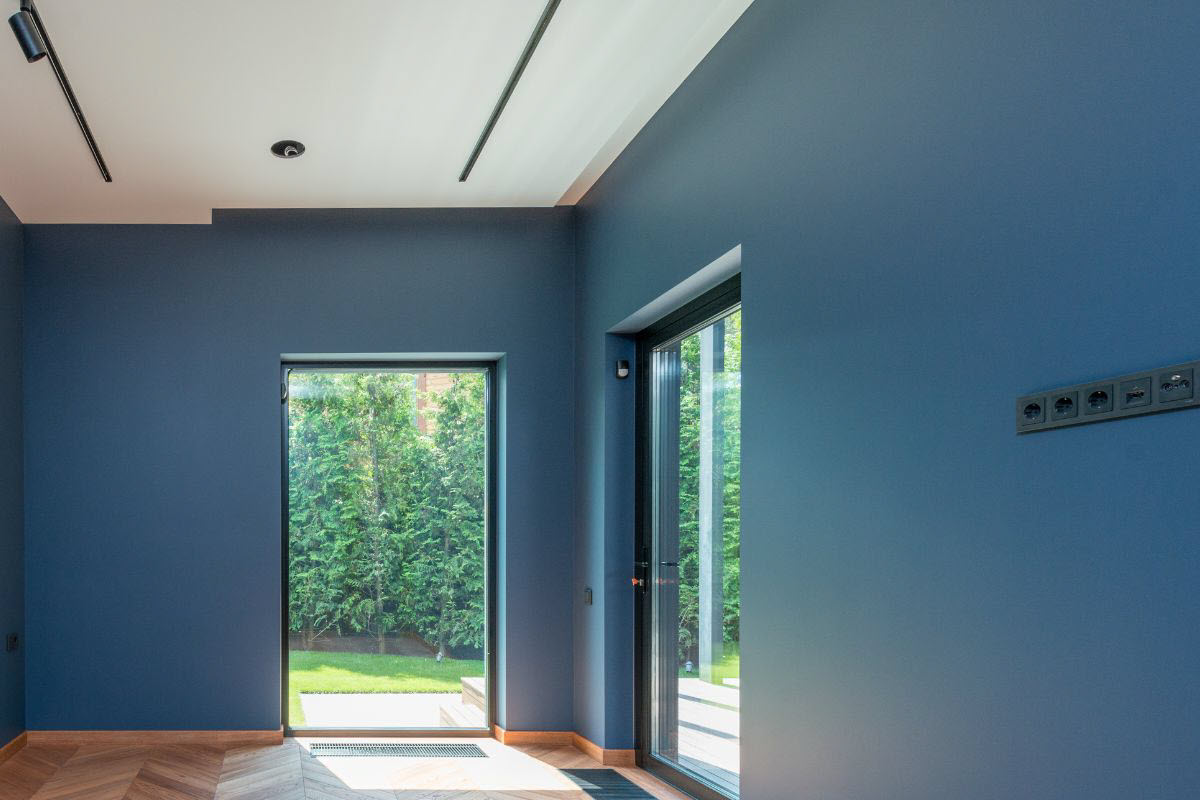
Decide whether the walls should blend into the background or provide contrast. Soft neutrals can connect varied furnishings, while a deeper or more saturated shade may give a focal wall greater presence. Consider the ceiling and trim as part of the overall scheme rather than treating them as unrelated surfaces.
Observe changing light
North-facing rooms generally receive more direct sunlight in Australia, while south-facing rooms tend to have cooler, more consistent light. East-facing rooms are brightest earlier in the day; west-facing rooms can feel warmer later on. Nearby trees, buildings and verandahs also affect the light, so orientation is only a starting point.
Test a few candidate colours on separate sample areas, ideally on movable boards or in more than one part of the room. View them in morning, afternoon and evening light, with the usual lamps switched on. Check samples beside flooring and furnishings, and allow https://melbpaint12689722.opalvector.com/posts/how-to-choose-paint-colours-for-melbourne-s-exterior-surfaces time to notice how they feel during ordinary use.
Match the finish to everyday use
Colour and sheen work together. A low-sheen finish can help reduce the appearance of minor wall imperfections, while a more washable finish may suit areas that need frequent cleaning. Higher sheen reflects more light and can make surface flaws easier to see. Ask the paint manufacturer for product guidance suited to the wall material and expected wear.
Make the choice practical
- Check that the selected paint is suitable for the existing surface and interior use.
- Compare samples against furnishings in both daylight and artificial light.
- Keep a note of the colour name, finish and product for future touch-ups.
- Include preparation in the plan: clean, sound surfaces help paint look more even.
Taking time to test colours helps avoid decisions based on showroom lighting or a tiny chip. For a larger interior painting project, confirm the final colour and finish across the room before work begins, especially where walls connect to hallways or adjoining spaces.
Melbourne House Painting Pros
2/147 Swan St, Richmond VIC 3121
(03) 4051 5313